
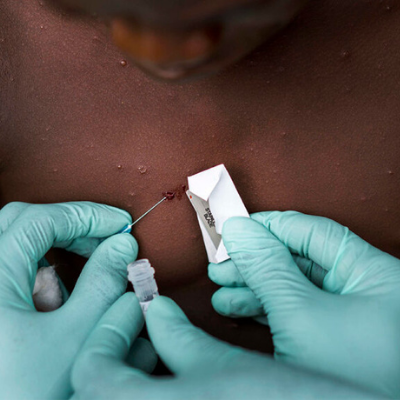
- Since early May 2022, many countries in Europe, as well as Australia, and the U.S. have reported an increasing number of monkeypox cases.
- As a viral disease native to Africa, monkeypox is usually transmitted by animal-to-human contact, producing skin lesions, fever, and body aches in people the virus infects.
- Some recent cases of monkeypox have involved men who have had sex with men, however, experts say the disease is not a sexually transmitted infection but can spread via direct contact during sex.
What is monkeypox?
Monkeypox is a zoonotic virus, which transmits disease from animals to humans. Cases typically occur near tropical rainforests, where animals that carry the virus live.
The monkeypox virus is a member of the orthopoxvirus family. It also has two distinct genetic strains or cladesTrusted Source: the Central African (Congo Basin) clade and the West African clade. The Congo Basin clade is known to spread more easily and cause more severe symptoms.
Monkeypox naturally occurs in Africa, especially in west and central African nations. Cases in the U.S. are rare and associated with international travel from places where the disease is more common.
What are the symptoms?
Monkeypox symptoms and signsTrusted Source include headache, skin rash, fever, body aches, chills, swollen lymph nodes, and exhaustion. It produces symptoms similar to smallpox, but milder.
The time from infection to the onset of symptoms, which is referred to as the incubation period, can range from five to 21 days. The illness typically resolves within two to four weeks.
Severe cases are more common among people with underlying immune deficiencies and young children. In recent times, the case fatality ratioTrusted Source of monkeypox is around 3-6%.
How is it transmitted?
Transmission of the monkeypox virus among humans is limited, but it can happen through close skin contact, air droplets, bodily fluids, and virus-contaminated objects.
Most of the recent cases of monkeypox in the U.K. and Canada have been reported among attendees of sexual health services at health clinics in men who have sex with men.
Regarding this trend, Dr. I. Socé Fall, the regional emergencies director for the WHO’s Health Emergencies Program, cautioned:
“This is new information we need to investigate properly to understand better the dynamic of local transmission in the U.K. and some other countries.”

